What does an ADHD coach do, and should I get one?

If you have ADHD, finding the right coach could make a huge difference to your life. But what do they do, and is coaching right for you? Read on to find out…

By Eleanor Hope-Jones
•
Sep 30, 2022
Here at FLOWN, we like to think we know a fair bit about coaching, with our in-house team of coaches made up of everything from breathwork specialists to mindfulness mavericks.
But an ADHD coach is a bit different.
Let's take a closer look at exactly what an ADHD coach is, what they do, how much they cost and whether it could be the right path for you.
What is an ADHD coach?
Life coaching is when a trained individual supports, encourages and holds another person accountable for achieving their goals in their work and/or personal life.
An ADHD coach does exactly this as well, but they’re trained and aware of the specific ways having ADHD affects people. They’ll work with you to manage your symptoms and help you devise actionable strategies tailored to your experience of ADHD.
The element of support and accountability you get from having another person work with you on these things can make all the difference when it comes to following through with a new goal.
What does an ADHD coach do?
ADHD coaches focus on practical solutions to managing ADHD.
As opposed to therapy that will look into your history to find peace within yourself in the present. An ADHD coach will focus on your present actions, your goals and achieving your potential in the future.
A coaching relationship will often start in a discovery call where the coach will get to know you and listen to the areas of your life that you want to work on.
You can ask your ADHD coach to help you focus on areas of your life, goals or habits like:
The workplace
Friendship and social life
Family
Aspirations
A specific task like writing a book
Self-compassion
Lateness
From there they’ll help develop an actionable plan to achieve your goals, whilst always thinking about how your ADHD might make it challenging and ways to manage it.
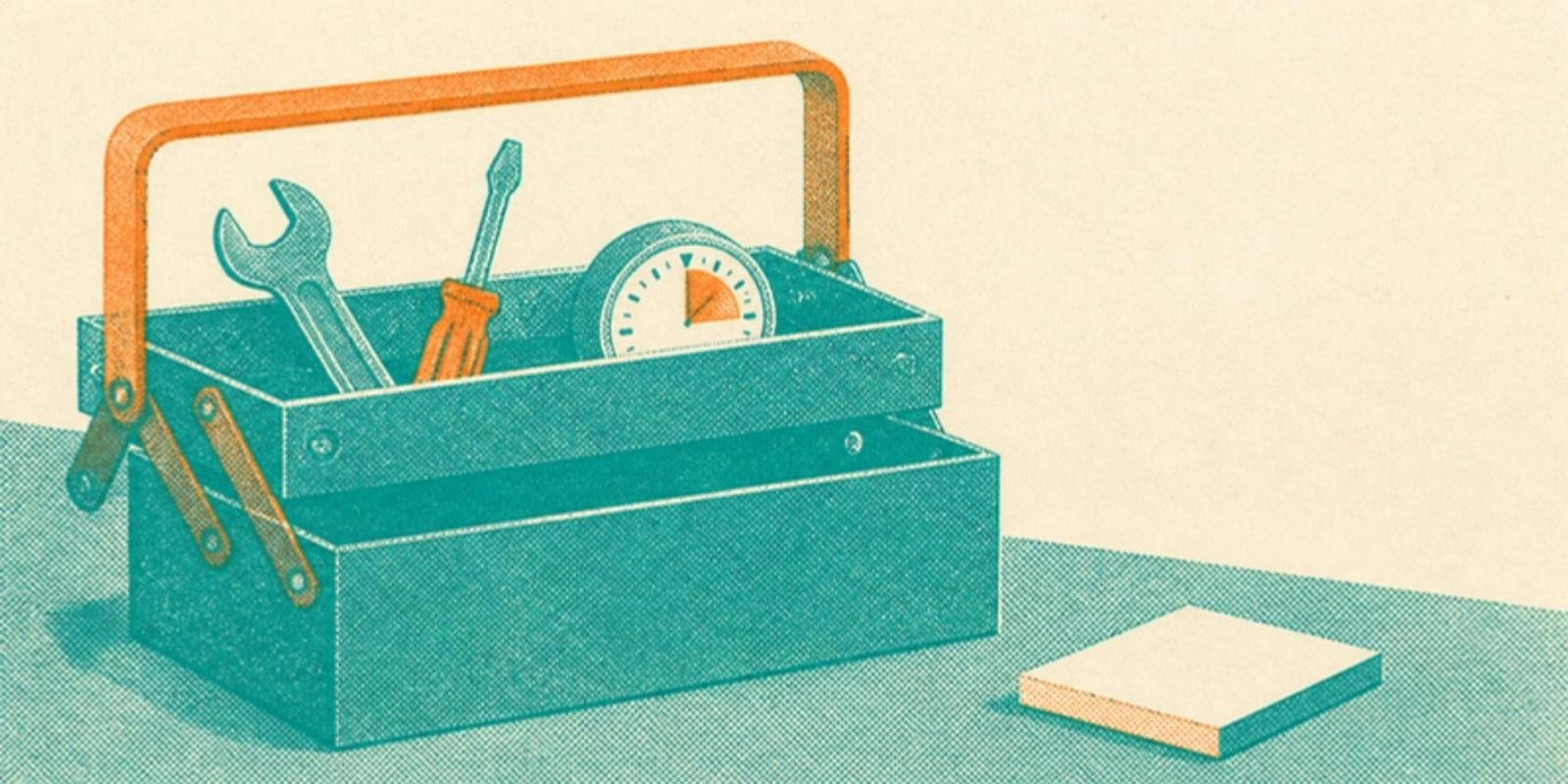
A good coach should have a large toolkit of strategies and techniques to help you do this. Coaches often use methods like:
Imagery and visualization
Mindfulness
Gratitude
Prioritization
Goal setting
Motivation techniques
Organizational skills
Confidence and self-esteem-building exercises
An ADHD coach will focus on your present actions, your goals and achieving your potential in the future
ADHD coaching relationships usually consist of a one-hour session once every week or two weeks, with specific tasks set for you to try outside of the session.
(Though every coach will have their unique working practices.)
You’d then discuss how that task went in the next session so you can gain an understanding of where you struggle and thrive. Over time you’d keep adapting the plan so that it leans into your strengths and helps manage your weaknesses.

Is ADHD coaching worth it?
An ADHD coach should help you uncover how your ADHD affects you individually, and what exact routines, rituals and ways of working will help you achieve success.
Over time ADHD coaching should lead to:
Improved focus
Being able to carry out plans to their completion
Being able to break down goals into specific actions
Finding the motivation you need to reach goals
The goal of ADHD coaching is that one day you won’t need it anymore, as you’ll be able to apply everything you and your coach have learned about your ADHD by yourself to new goals.
Remember, getting an ADHD coach won’t help you achieve your goals unless you’re ready and willing to put in the effort and try the techniques your coach gives you.
That’s why finding the right coach is so important.
How do I find ADHD coaches?
The rapport and connection you have with your coach are key in successfully achieving your goals. A good place to start looking for a coach is online, so try searching for ADHD coaches in your area and begin to make a list of ones that appeal to you.
If you know other people with ADHD reach out and see if anyone has ever used an ADHD coach and if there’s someone they’d recommend.
You can also use ADHD coach directories to look through lists of coaches. Additude has a directory for ADHD coaches in the US and the UK. If you’re based in the US try reaching out to your local CHADD chapter which should be familiar with coaches in your area.
If you’re in the UK then ADHD-certified coaches UK are a group of ADDCA-certified coaches based around the country who specialise in ADHD.
(Keep reading to learn more about ADHD coaching qualifications)
Notice how much you feel the coach is listening when you speak and if the way they phrase things makes sense to you
Once you’ve made your short list make sure you speak to at least two or three coaches before you make a decision. Most will offer a 15 to 30-minute discovery call for free where you can start to get a feel for their style of coaching and whether it connects with you.
Ask them about:
Whether they’ve received any special ADHD training
How long they’ve been coaching for
If they have any professional qualifications or accreditations
What they charge
How long they usually work with clients
Just because someone’s been an ADHD coach for 10 years and has a long list of qualifications doesn’t mean they’ll be the right coach for you. Notice how much you feel the coach is listening when you speak and if the way they phrase things makes sense to you.
If you don’t feel that connection with any of the coaches you speak to, try speaking to a few more!
Putting this effort in upfront will save you from an unhelpful coaching relationship later down the line.

Do you need to be accredited by a board like the international coach federation to be an ADHD coach?
In the UK and the US, from a legal point of view, someone does not need to have formal training or qualifications to call themselves an ADHD coach and take on paying customers.
But that doesn’t mean that respected qualifications don’t exist.
The International Coach Federation or the ICF is thought of as the world’s leading coaching organization with over 50,000 members. ICF members have to follow a specific set of standards and code of ethics laid out by the ICF and have a continued focus on learning and improvement.
So what does that have to do with ADHD coaching?
Well an ADHD coach needs to have the skill of a regular coach, as well as specific knowledge and expertise in ADHD.
The ADD Coach Academy or ADDCA is considered the global leader in ADHD coaching qualifications and is fully accredited by the ICF.
That’s a lot of acronyms to wrap your head around.
The main thing to remember is your coach having ICF, ADDCA or another kind of respected qualification is a good indicator of their ethical standards and competency. They have already gone through a rigorous process to get certified by those boards, so you know you’re in safe hands.
Are ADHD coaches mental health professionals?
Not necessarily.
As a result of the nature of the work, ADHD coaches tend to be individuals with a few different kinds of jobs. They may be a licenced mental health professional like a therapist or a counsellor who also offers ADHD coaching.
But they could also be a teacher, a life coach or a facilitator who has decided to explore ADHD coaching as part of their career as well.
If you’re solely looking for help with depression, anxiety or other kinds of mental health support then an ADHD coach is probably not what you’re looking for, and you should consider seeking a therapist or counsellor instead.
How much does an ADHD coach cost?
An ADHD coaching session usually lasts between 50 minutes and an hour. A coach could charge anywhere between £50 to £200 per session in the UK or $70 to $250 in the US.
So for anyone quick at maths, the cost of an ADHD coach can quickly add up. But there are ways you can minimize the cost:
If you have a learning and development budget at work ask if you could use it for your ADHD coach (if you’ve disclosed your condition or feel safe enough to)
In the US you can claim your coach's fee as a medical expense on your taxes so long as your doctor has prescribed ADHD coaching
Try asking coaches in your discovery call whether they offer reduced rates for people on lower incomes
In the UK you might be able to claim financial support through the government’s access to work scheme
Consider looking for group coaching sessions or courses which are often cheaper than one-to-one coaching sessions
Finding the right ADHD coach can be a groundbreaking discovery
Once you find a coach you like the sound of try and have a few sessions with them before committing to any longer-term packages. That way you can always back out and look for a new coach if you think the relationship isn’t working.
Your coach may sometimes challenge your assumptions, and it’s alright if you feel uncomfortable, but you should always feel listened to and respected.
Finding the right ADHD coach can be a game changer for lots of people with ADHD who are ready to get to know themselves, find new ways to work with their condition and achieve their goals in the future.

Join a Flock for free to help you focus on what’s important
Our expertly facilitated deep work sessions will help you focus and get more done than you ever thought possible. Many of our members have ADHD and say that Flocks help to improve focus.
Run on Zoom and guided by one of our expert facilitators, Flocks are unique, fun – and so effective that 88% of people who try one come back for more.